Gardening Calendar - May
Posted: 28 Apr 2026May is one of the busiest months in the garden as the days continue to lengthen and grow warmer but there is incredible colour all over the garden this month. Here are the top jobs to focus on throughout May:
- Now is the time to prune spring shrubs, such as forsythia and Chaenomeles, after flowering to keep them compact.
- Tie in the new shoots of climbing plants, including clematis, wisteria and honeysuckle, to their supports as new growth appears.
- Many seeds can be sown outside at this time of year, and after the last frosts, tender plants can be planted outside. Plant up hanging baskets but keep in a greenhouse for a few weeks to establish, before putting outside.
- Plant out dahlia tubers and cannas after all risk of frost has passed.
- Check lilies and fritillaries for scarlet lily beetles and their larvae, as they can rapidly strip plants of all foliage.
- Potato plants need ‘earthing up’ as they grow, to protect early shoots from frost damage and ensure the developing potatoes aren’t exposed to light.
- Start sowing dwarf and climbing French beans, as well as runner beans, directly outdoors in warm weather.
- Thin out seedlings, like carrots, from earlier sowings to ensure you get healthy, strong-growing plants. Remove strawberry runners, so plants put all their energy into fruiting.
- Start feeding houseplants once a week with liquid fertiliser, continuing through to autumn.
- Water your house plants more regularly as the temperatures warm.
- In May, lawn care is crucial for maintaining a healthy and vibrant lawn. Apply nitrogen-rich lawn feed to encourage fresh new growth. Sow grass seed or lay new turf by the end of this month, to create a new lawn or repair damaged patches.
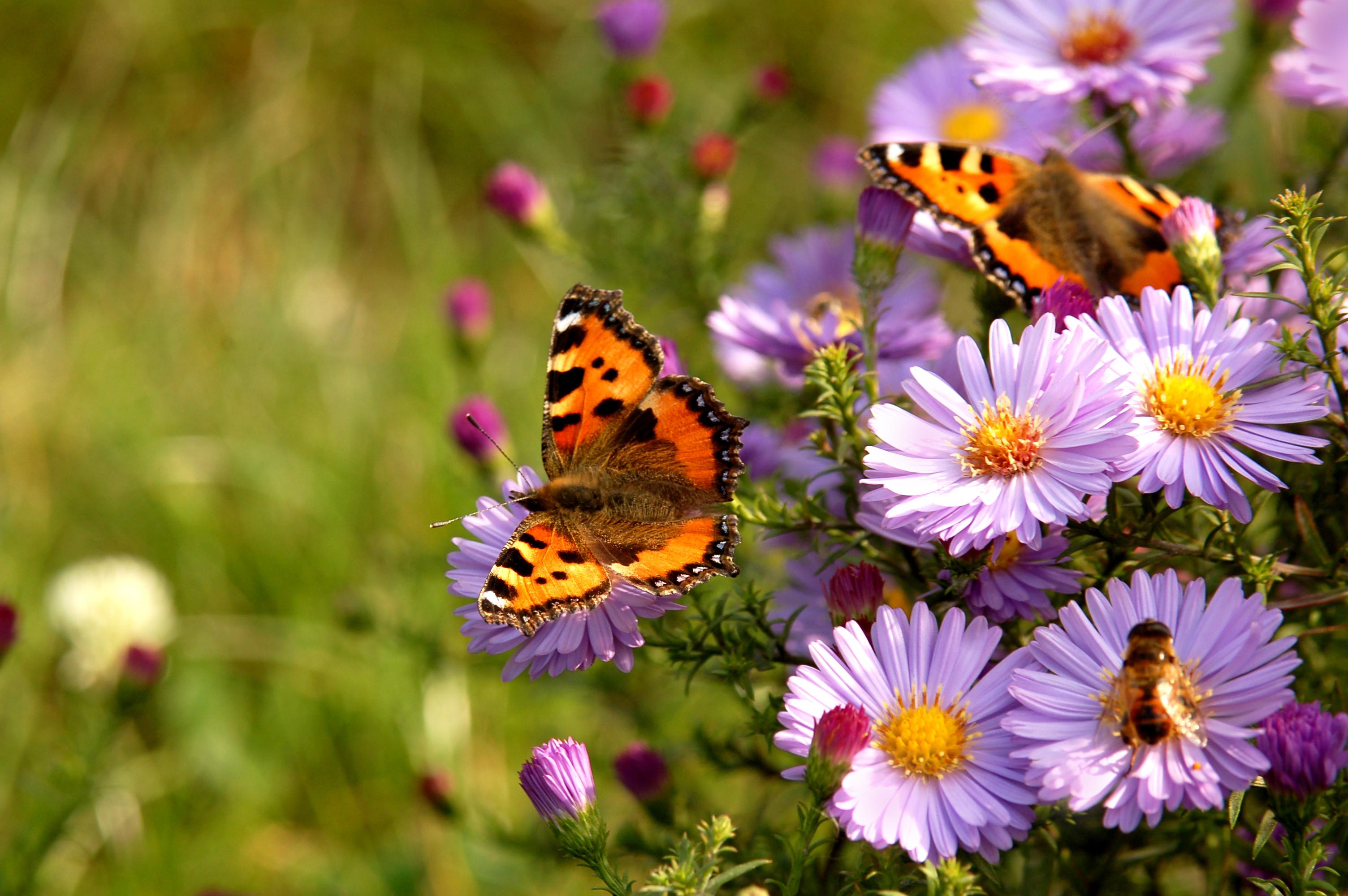
- In the wildlife garden, birds are busy feeding their young, while pollinators such as bumblebees, butterflies and hoverflies are taking advantage of the mild conditions and abundance of flowers. Check shrubs for nests before you start any pruning, to avoid disturbing nesting birds.
- Clean out and scrub bird feeders regularly to maintain good hygiene.
- Plant native wildflowers and shrubs to encourage 'natural' sources of food both birds and insects.